
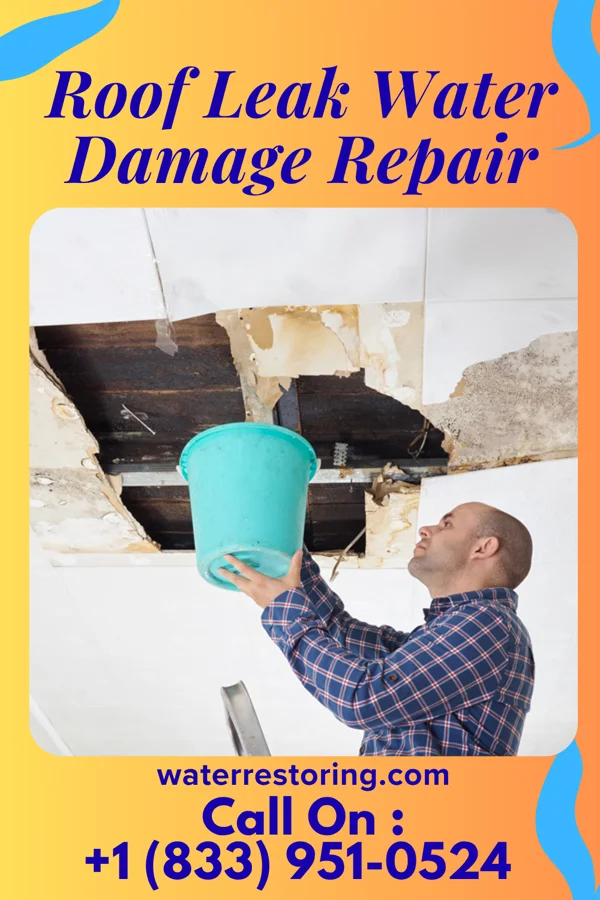
Active Roof Leak Containment in New Richmond
Most water damage emergencies in New Richmond start with New Richmond, Indiana experiences frequent thunderstorms and heavy rainfall, especially during the late spring and early summer months. These storms often bring strong winds that can damage roofing materials, leading to water infiltration. The region's moderate climate also allows for prolonged periods of dampness, increasing the risk of leaks.. A close second is In the fall, New Richmond can see sudden temperature drops and heavy precipitation, which can cause roofing materials to expand and contract, creating gaps. Additionally, the area's occasional hailstorms can pockmark roofs, weakening their integrity and leading to water damage.. From the second water touches the property, every minute changes what gets saved and what gets ripped out.
New Richmond's climate, characterized by warm, humid summers and cool, damp winters, can lead to persistent moisture issues. The combination of high humidity and frequent rain creates an environment where water damage can occur even without immediate storms.
New Richmond's climate, characterized by warm, humid summers and cool, damp winters, can lead to persistent moisture issues. The combination of high humidity and frequent rain creates an environment where water damage can occur even without immediate storms. The dominant local driver is New Richmond, Indiana experiences frequent thunderstorms and heavy rainfall, especially during the late spring and early summer months. These storms often bring strong winds that can damage roofing materials, leading to water infiltration. The region's moderate climate also allows for prolonged periods of dampness, increasing the risk of leaks., with In the fall, New Richmond can see sudden temperature drops and heavy precipitation, which can cause roofing materials to expand and contract, creating gaps. Additionally, the area's occasional hailstorms can pockmark roofs, weakening their integrity and leading to water damage. showing up as the next most common cause. Damage builds in stages. Spread. Absorption. Microbial growth. Structural compromise. Every stage you pass through adds to the final bill.